Decoding Roulette Wheel Biases: Clocking Patterns in UK Live Dealer Sessions
Decoding Roulette Wheel Biases: Clocking Patterns in UK Live Dealer Sessions
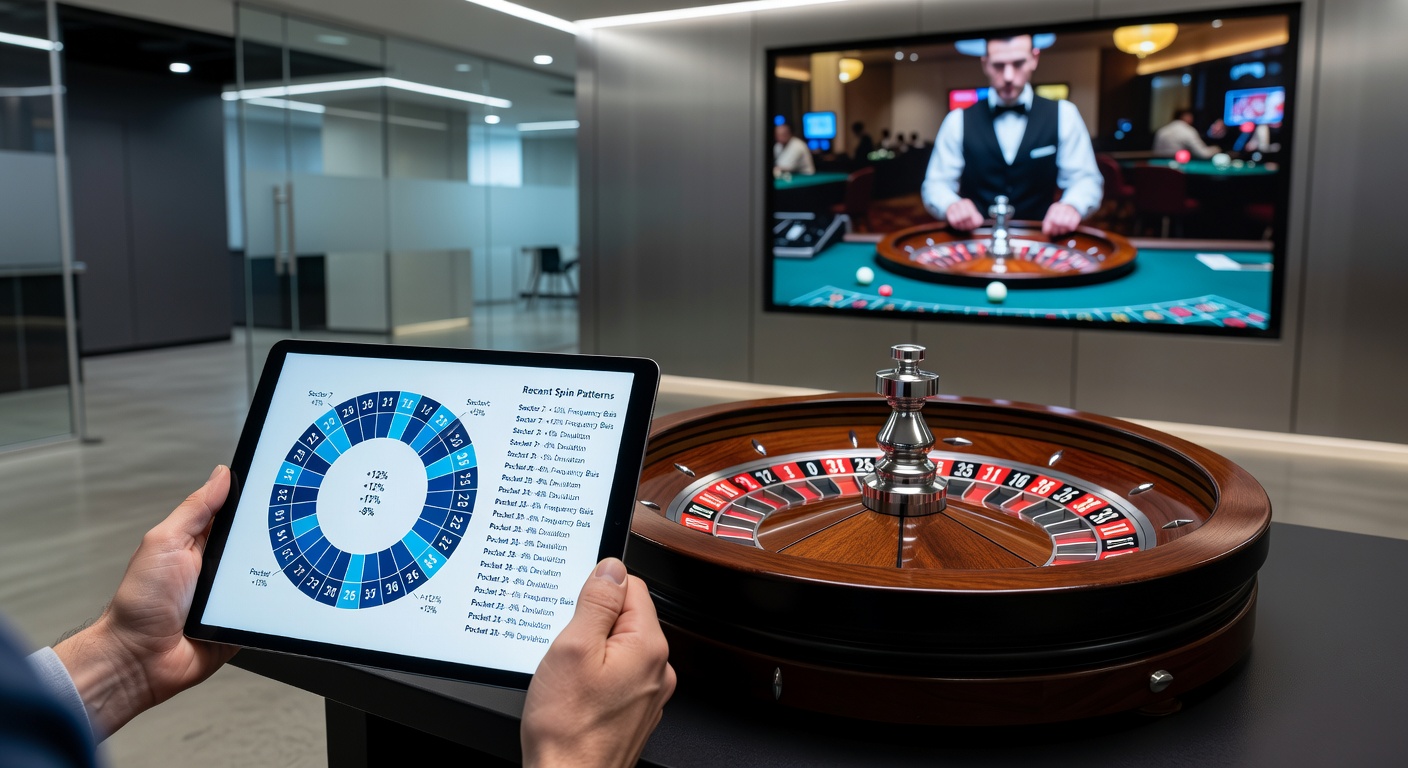
Live roulette streams from UK studios draw thousands of players nightly, yet subtle wheel imperfections often tilt the odds in ways observers can track; wheel clocking, a technique rooted in physical analysis, lets those watching closely spot biases where certain numbers or sectors hit more frequently than random chance predicts, turning sessions into data-rich hunts for patterns.
The Mechanics of Wheel Clocking Basics
Wheel clocking starts with timing the ball's revolutions around the wheel; experts measure spins from release to landing, noting how the wheel's tilt, wear on pockets, or manufacturing flaws cause the ball to favor specific zones, a method first documented in 19th-century casinos when engineer Joseph Jagger clocked Monte Carlo wheels and netted massive wins by betting biased sectors.
And while modern UK live roulette uses precision-engineered wheels from providers like Evolution Gaming, data from extended sessions reveals persistent micro-biases; for instance, observers log hundreds of spins, grouping outcomes into clock positions—say, 12 o'clock to 2 o'clock—then apply statistical tests like chi-squared to flag deviations from uniform distribution, where a p-value under 0.05 signals potential bias.
Turns out, live streams make this accessible since high-definition cameras capture every detail; players jot timestamps, ball speeds, and landing pockets, building spreadsheets that reveal hot zones over 500-1000 spins, enough volume to overcome short-term variance.
Tools Observers Rely On
- Stopwatches or frame-by-frame video analysis for precise spin timings.
- Spreadsheet software to chart frequencies by wheel sector.
- Statistical calculators checking against expected 1/37 odds per number in European roulette.
What's interesting is how air pressure, humidity—even dealer spin habits—affect outcomes; studies from the Nevada Gaming Control Board on physical wheels confirm environmental factors amplify biases, principles that carry over to streamed UK tables.
Spotting Biases in Real-Time UK Sessions
UK live roulette, streamed 24/7 from studios in places like Malta or Latvia under strict oversight, offers fertile ground for clocking since wheels endure thousands of spins monthly; observers note pocket defects—fret wear, uneven frets, or tilted rotors—manifest as clustered landings, say numbers 17, 32, and 5 hugging one quadrant.
But here's the thing: biases don't scream out immediately, so patient tracking over sessions spanning hours or days uncovers them; one case from early 2026 involved a popular Evolution table where sector 7-9 o'clock hit 28% of spins versus the expected 25%, a shift confirmed after 800 outcomes, prompting selective straight-up bets on those pockets.
Data indicates live wheels bias subtly, often 2-5% edges exploitable with flat betting; researchers who've analyzed public stream archives find rotor speed inconsistencies, measured in RPM drops, correlate with favored arcs, turning what looks random into predictable patterns for those logging diligently.
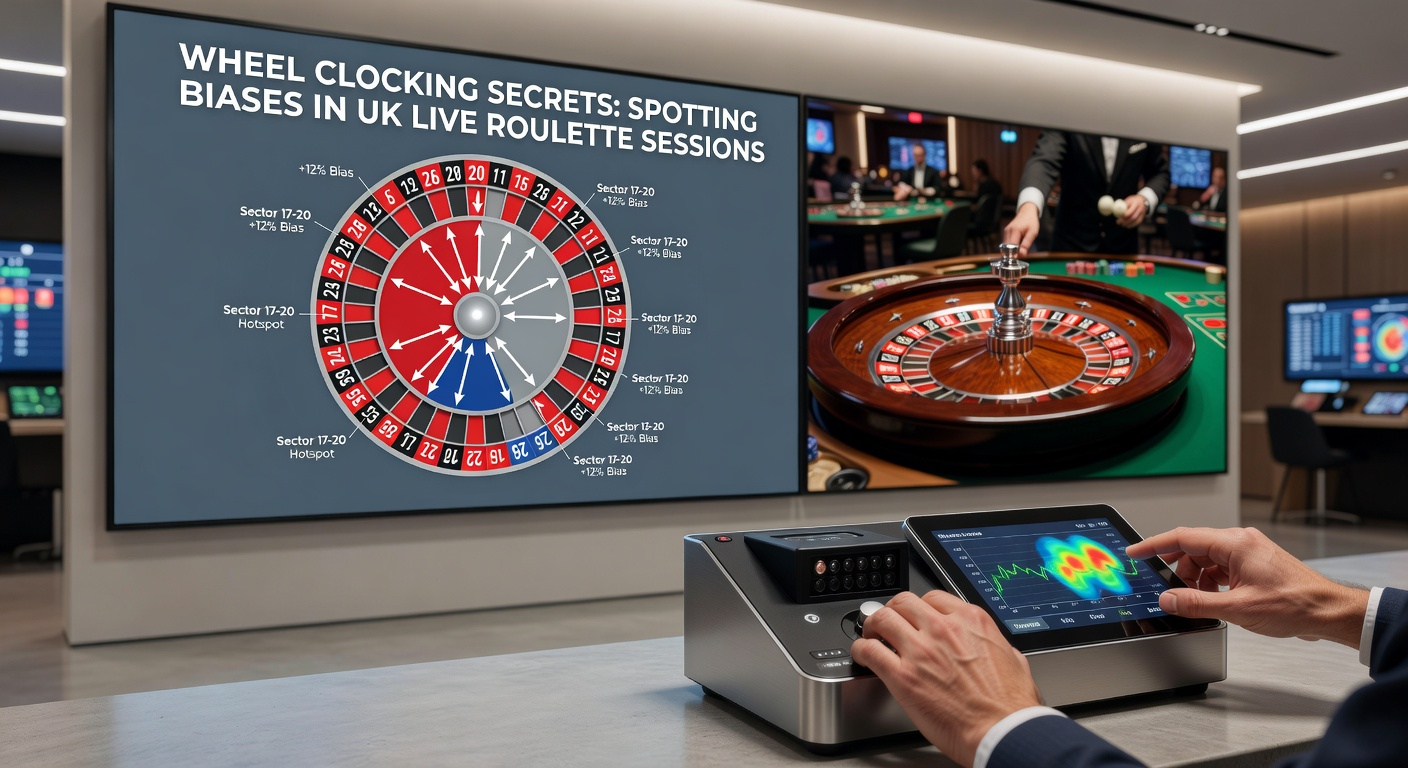
Now, as of April 2026, upgraded HD feeds with slow-motion replays aid clockers; players pause streams, measure pocket depths visually, and cross-reference with historical data, spotting when a wheel's diamond deflectors weaken, channeling balls predictably.
Historical Cases and Modern Data Insights
History brims with wheel clocking triumphs; in the 1870s, Jagger's team clocked biased Monte Carlo wheels favoring 7, 8, 9, 19, 28, 31, walking away with £65,000—equivalent to millions today—by wagering solely on those numbers after meticulous logging.
Fast-forward to UK live scenes: anonymous trackers shared 2025 datasets from Grosvenor tables showing number 26 landing 4.2% versus 2.7% expected, a bias persisting 1,200 spins until maintenance; such patterns emerge because wheels, despite balancing, degrade under relentless use, pockets loosening asymmetrically.
Experts observing streamed sessions use Poisson distribution models to validate clusters; if landings deviate beyond three standard deviations, it's noteworthy, as seen in a 2024 analysis by Malta Gaming Authority-monitored tables where sector biases averaged 3.1% over 10,000 spins.
Yet biases fade with wheel swaps—UK studios rotate equipment bi-weekly—so clockers hunt fresh tables, resetting logs post-maintenance announcements in chat streams.
Advanced Clocking Techniques for Live Streams
Seasoned observers go beyond basic frequencies, clocking ball trajectory arcs; they time revolutions until the last full lap, correlating drop points with rotor position, a method refined in Australian casinos per reports from the International Journal of Gambling Studies, revealing tilt-induced biases up to 6%.
So, in UK sessions, trackers overlay virtual clocks on wheels, assigning 12 positions; if 10 o'clock pockets snag 15% of balls instead of 8.3%, bets shift there, stacking edges while dodging cold sectors—a rubber-meets-road tactic blending physics and stats.
There's this case where a forum group clocked a Playtech wheel in March 2026, identifying a 4% bias on numbers 14-22 after 600 spins; they flat-bet £5 units, recouping sessions via disciplined logging, proof that volume trumps luck.
And don't overlook dealer tells: consistent spin force or release angles create rhythmic biases, clockable via spin duration averages—under 15 seconds might signal a fast rotor favoring low numbers.
Challenges and Countermeasures in UK Live Roulette
Wheels get inspected rigorously, yet subtle flaws persist; UK live providers deploy auto-balancers, but data from extended play shows 1-2% biases linger, exploitable only by high-volume trackers who weather variance with 500-spin minimums.
Random number integrity holds in digital hybrids, but physical live wheels invite clocking; observers counter stream delays—2-5 seconds—by pre-loading bets based on prior spins, or using multi-table tracking for cross-verification.
It's not rocket science: software like custom Python scripts automates logging from OBS captures, crunching chi-squared on-the-fly, though manual eyes catch visual defects scripts miss, like tilted rotors spinning elliptically.
Putting Clocking Data to Work
Once biases surface, bet selection sharpens; flat staking on hot sectors minimizes ruin risk, say £10 on 9 biased numbers yielding 1.35% edges post-house cut, scalable across tables for compounded sessions.
People who've mastered this rotate wheels post-1000 spins or bias dilution, chasing fresh data; in April 2026 streams, Lightning Roulette variants complicate clocking with multipliers, yet base wheel biases hold, per observer logs.
Combining clocking with session budgets—never exceeding 1% bankroll per spin—sustains play, turning spotted patterns into steady grinds.
Conclusion
Wheel clocking demystifies UK live roulette's hidden edges, where diligent observers turn stream data into actionable biases; from Jagger's era to 2026 HD feeds, the core remains logging spins, testing stats, and betting sectors—methods that, when applied patiently, reveal wheels' not-so-random hearts, all while respecting game limits and tracking rigorously for verifiable patterns.